
Impacted Canines: Treatment Options from Trusted Oral Surgeons in Dayton, OH
What Is an Impacted Canine Tooth?
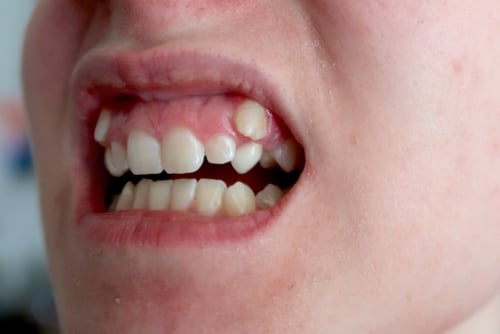 Your canine teeth, also called cuspids or “eye teeth,” play a critical role in your bite and the overall alignment of your smile. They are among the last of the front teeth to erupt—typically between ages 11 and 13. However, when a canine tooth fails to come in naturally, it’s considered impacted.
An impacted canine may be stuck in the gum or bone, or it may erupt in the wrong position, potentially causing crowding, misalignment, or damage to surrounding teeth.
Why Canine Teeth Become Impacted
There are several reasons a canine tooth may not erupt properly, including:
-
Overcrowding in the dental arch
-
Extra teeth or unusual growths blocking the path of eruption
-
Genetic factors or family history of impacted teeth
-
Abnormal eruption angle or position within the jaw
Early detection is key. That’s why dentists typically monitor tooth development in children and teens through routine X-rays.
How Oral Surgeons Can Help
At Center for Facial & Oral Surgery, our board-certified oral surgeons specialize in surgical exposure and guidance of impacted canines. We work closely with your orthodontist to help guide the impacted tooth into its proper position.
Treatment Process:
-
Evaluation & Imaging
We use advanced diagnostic tools such as 3D imaging and digital X-rays to assess the tooth’s position and develop a personalized treatment plan. -
Surgical Exposure
During a brief outpatient procedure, we expose the impacted canine by lifting the gum tissue. A small orthodontic bracket is then placed on the tooth. -
Orthodontic Traction
Over time, your orthodontist will gently pull the tooth into alignment using braces or other appliances.
This treatment is typically well tolerated and performed under local anesthesia, sedation, or general anesthesia—based on your individual needs and preferences.
Why Early Treatment Matters
Early identification of an impacted canine significantly improves treatment outcomes. In many cases, treatment is most successful during the early teenage years, when the surrounding bone is more flexible and the tooth is easier to guide.
Delaying treatment can result in:
-
Tooth misalignment
-
Root damage to neighboring teeth
-
Need for tooth extraction or more complex procedures
Compassionate Oral Surgery Care in Dayton
We understand that any oral surgery can feel overwhelming. That’s why our team is committed to delivering expert care in a comfortable, patient-first environment. We’ll explain every step, discuss sedation options, and ensure your questions are answered so you feel confident and informed.
Frequently Asked Questions About Impacted Canines
❓What is an impacted canine tooth?
An impacted canine tooth is a permanent tooth that fails to erupt through the gums in its proper position. This often occurs due to crowding, blockage, or abnormal development, and typically involves the upper canine (eye tooth).
❓What are the signs of an impacted canine?
Common signs include:
-
A missing tooth in the dental arch
-
Prolonged baby tooth retention
-
Swelling or discomfort in the gums
-
Misaligned or crowded teeth
-
Teeth erupting in unusual places (e.g., the roof of the mouth)
Regular dental checkups and X-rays can help detect impacted canines early.
❓At what age are impacted canines usually diagnosed?
Impacted canines are most commonly diagnosed between the ages of 10 and 14. This is when the permanent canines should naturally erupt. Early diagnosis allows for more effective and less invasive treatment.
❓Why is it important to treat impacted canines?
Untreated impacted canines can cause:
-
Misalignment of other teeth
-
Cyst formation or damage to nearby roots
-
Difficulty with bite function
-
Aesthetic concerns
Timely treatment can help guide the tooth into place and prevent more serious dental issues.
❓What is the surgical procedure for an impacted canine?
The most common treatment is surgical exposure, where an oral surgeon carefully uncovers the impacted tooth and attaches an orthodontic bracket. Over time, your orthodontist will use gentle traction to guide the tooth into position.
The procedure is performed under local anesthesia, with options for IV sedation or general anesthesia for your comfort.
❓How long does it take for the impacted canine to come in after surgery?
The timeline varies, but it can take several months to over a year for the tooth to be fully guided into place with orthodontic assistance. Your orthodontist will monitor and adjust treatment as needed throughout the process.
❓Is the procedure painful?
Most patients report minimal discomfort. Local anesthesia and sedation options ensure you’re comfortable during the procedure, and post-operative pain is typically well managed with over-the-counter or prescribed medications.
❓What happens if the impacted canine cannot be saved?
In rare cases where the impacted tooth cannot be repositioned or has caused damage, extraction may be necessary. Your oral surgeon will discuss all options with you, including dental implants or bridgework to replace the missing tooth.
❓Do all impacted canines require surgery?
Not always. In some cases, orthodontic treatment alone may be able to create space for natural eruption. However, if the tooth is deeply impacted or has an abnormal path, surgical exposure is often the most effective solution.
Schedule a Consultation Today
If you or your child has been diagnosed with an impacted canine tooth, trust the experienced surgeons at Center for Facial & Oral Surgery. Our team is here to help restore function, protect your dental health, and support a beautiful, natural smile.