
Orthognathic Surgery (Jaw Surgery) in Springboro
Orthognathic surgery is needed when jaws don’t meet correctly and/or teeth don’t seem to fit with jaws. Teeth are straightened with orthodontics and corrective jaw surgery repositions a misaligned jaw. This not only improves facial appearance but also ensures that teeth meet correctly and function properly.
Who Needs Orthognathic Surgery?
People who can benefit from orthognathic surgery include those with an improper bite or jaws that are positioned incorrectly. Jaw growth is a gradual process and in some instances, the upper and lower jaws may grow at different rates. The result can be a host of problems that can affect chewing function, speech, long-term oral health, and appearance. Injury to the jaw and birth defects can also affect jaw alignment. Orthodontics alone can correct bite problems when only the teeth are involved. Orthognathic surgery may be required for the jaws when repositioning is necessary.
Get the BEST oral & maxillofacial surgery services
We are here to help! Call us with any questions or schedule an appointment online.
Difficulty in the following areas should be evaluated:
- Difficulty in chewing, biting or swallowing
- Speech problems
- Chronic jaw or TMJ pain
- Open bite
- Protruding jaw
- Breathing problems
Any of these symptoms can exist at birth, be acquired after birth as a result of hereditary or environmental influences, or as a result of trauma to the face. Before any treatment begins, a consultation will be held to perform a complete examination with x-rays. During the pre-treatment consultation process, feel free to ask any questions that you have regarding your treatment. When you are fully informed about the aspects of your care, you and your dental team can make the decision to proceed with treatment together.
Case Presentation
Below are patients treated by Dr. Miremadi. We hope that these pictures help you better understand this surgery and its benefits
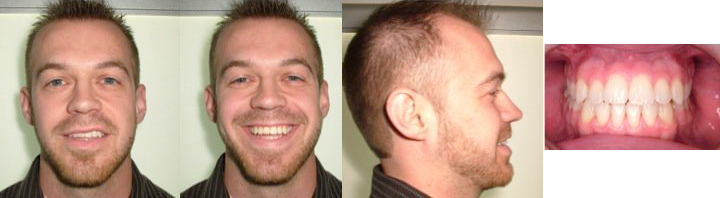
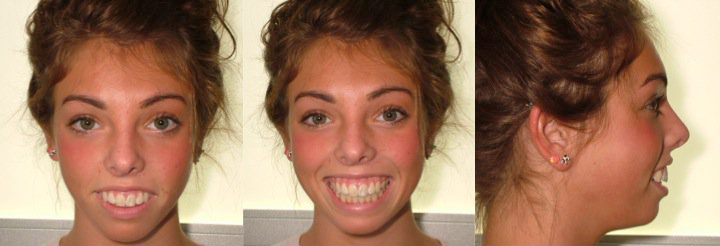 Patient with excessive upper jaw and short lower jaw
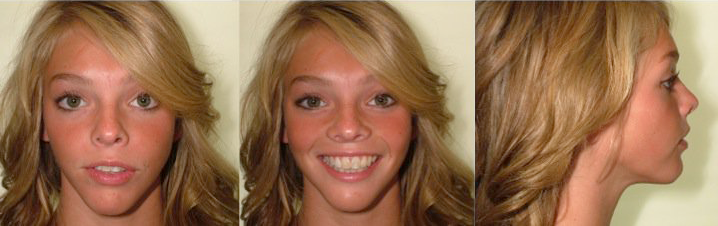 After upper jaw surgery, genioplasty and completion of orthodontics
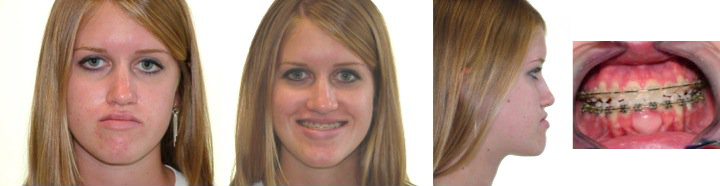
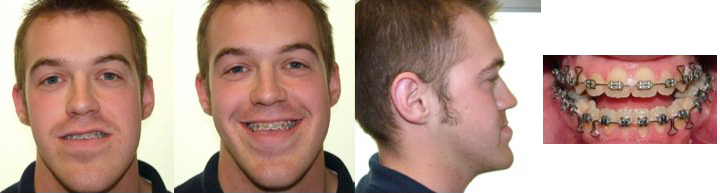 A combination of Short upper jaw and long lower jaw with open bite
 2 years after surgery with corrected bite and facial contour
 Patient with the short upper jaw and excessive lower jaw
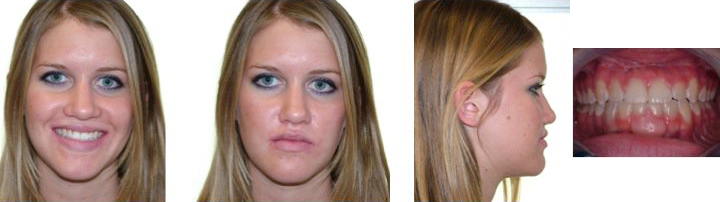 After surgery and completion of orthodontics
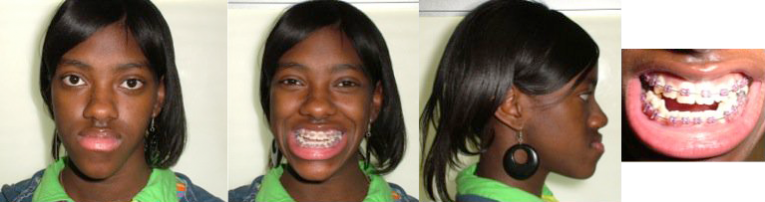 Patient with excessive and deviated lower jaw
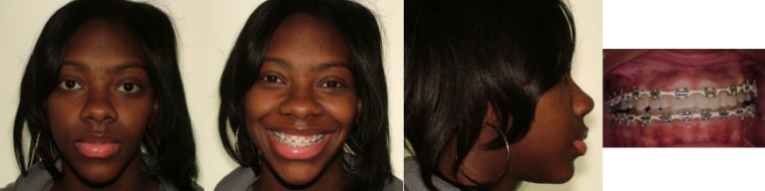 After surgery and correction of the bite
Technology & Orthognathic Surgery
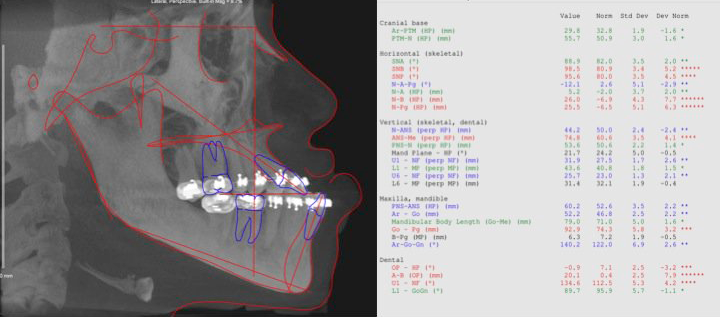
Dr. Miremadi use modern computer techniques and three-dimensional imaging to show you exactly how your surgery will be approached. Using comprehensive facial imaging and computer video imaging, we can show you how your bite will be improved and even give you an idea of how you’ll look after surgery. This helps you understand the surgical process and the extent of the treatment prescribed. Our goal is to help you understand the benefits of orthognathic surgery.
If you are a candidate for corrective jaw surgery, Dr. Miremadi will work closely with your dentist and orthodontist during your treatment. The actual surgery can move your teeth and jaws into a new position that results in a more attractive, functional, and healthy dental-facial relationship.
Questions?
For the answers to any questions or to schedule an appointment call our office at Springboro Office Phone Number 937-748-8814. You can also use our online contact request form.